


7 key steps to transition from manual to automated production
Automation is no longer just for big factories. Nowadays, small and medium-sized businesses are increasingly taking that leap, but the question often remains the same: What does the process actually look like? Below, we break down the concrete steps, practical advice, and realistic expectations every factory faces during this transition from manual to automated production.
1. Define the problem and set clear goals
Before diving into the process, it’s important to first take a step back and clearly identify what you want to achieve.
This means gathering your production team for a brainstorming session where everyone can openly discuss the issues they face day to day. Analyze what exactly do you want to automate? What are the biggest challenges in your current process? Maybe there’s a bottleneck causing delays, a quality problem, or repetitive manual tasks that drain time and energy. Clearly identifying these pain points helps you set specific goals for automation. This focused approach ensures your investment targets the right areas and delivers measurable improvements.
2. Analyze your budget
Automation costs vary significantly depending on your specific needs. While some projects can start at around €30,000, complex systems can cost several million. It’s essential to plan carefully and understand the full scope of expenses to avoid surprises down the road. Here’s what you should factor in:
- Equipment – Robots, conveyors, and custom machinery will likely be your biggest expense, with prices varying by type and precision. Choose equipment that fits your production goals without overspending.
- PLC and electrical installations – Skilled wiring and integration are essential for reliable operation and can add significant cost depending on complexity.
- Station design and engineering – Custom workstations, jigs, and safety features require upfront investment that helps prevent costly rework, inefficiencies, and potential safety issues down the line.
- Software – Control software must be tailored and well-integrated for scalability, involving development, licensing, and testing costs to ensure reliability.
- Training – Invest in training to enable smooth operation and maintenance, reducing errors and downtime. Cutting corners here leads to costly delays.
- Service and maintenance – Budget for ongoing support and part replacements to prevent unexpected downtime and protect your investment.
- Contingency
And bonus tip: always allocate an additional 15% of your total budget for unforeseen expenses. It’s also crucial to discuss the payback period with your automation provider so your company can plan finances accordingly and avoid operational disruptions.
3. Plan your transition timeline
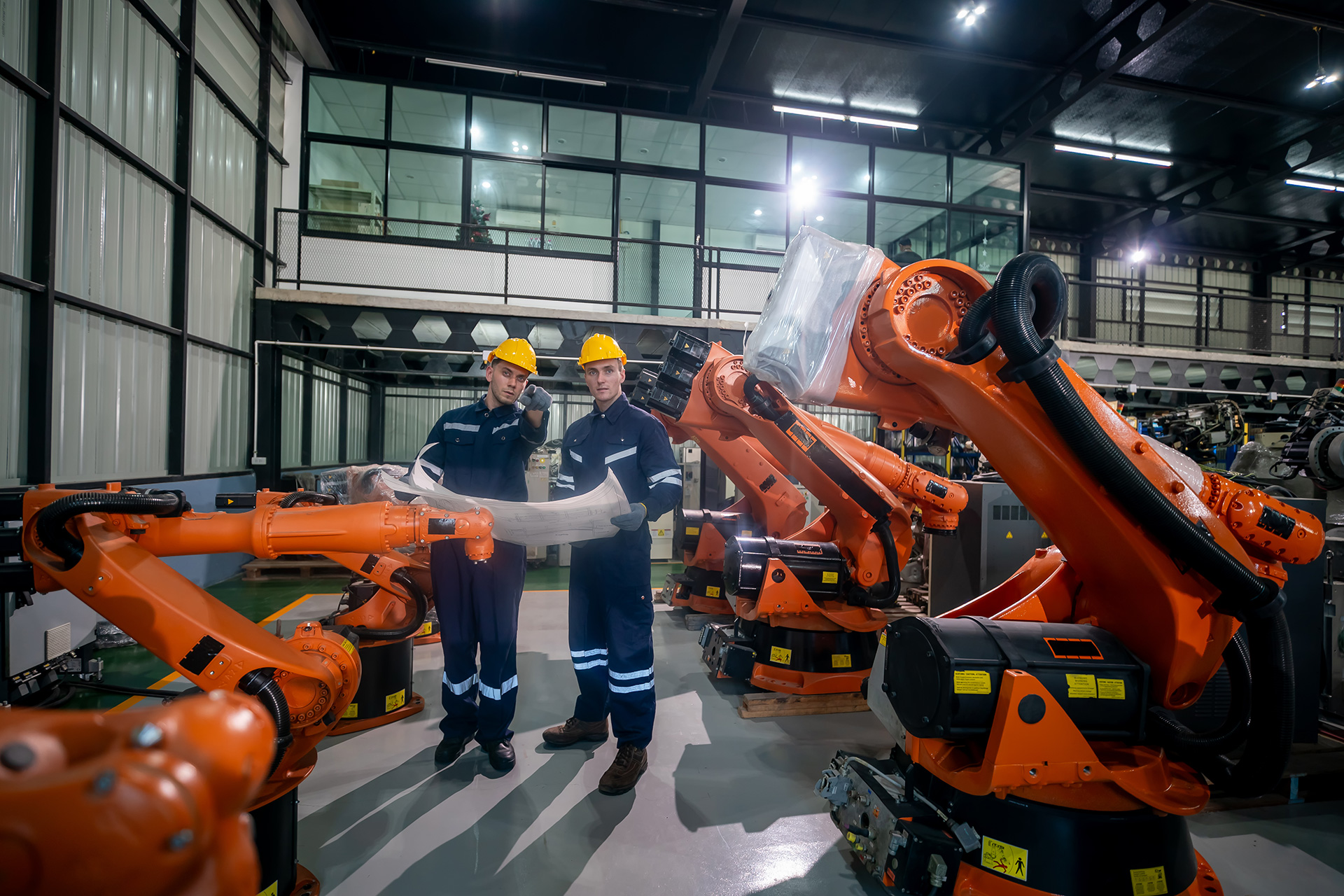
Transitioning from manual to automated production is a major change. Not just in equipment, but in how your team works. The time needed depends on several factors: your current level of automation, your staff’s experience with similar technologies, and, most importantly, how prepared your team is to learn and adapt. A small company introducing its first automated station might complete the process in about a month, but when larger factories begin implementing multiple integrated systems they will often need several months, sometimes even up to a year.
It’s important to set realistic expectations upfront and create a phased plan that balances implementation speed with the need for smooth operation and employee adjustment.
4. Choose the right partners
Choosing your automation partner is perhaps the most critical step. Look for a company that understands your production process and business goals. Not just a vendor, but a trusted advisor who helps solve problems along the way. Consider their experience with similar projects and review client references to ensure reliability. Ask if they keep spare parts locally and how fast they respond to support requests because quick access and fast support reduce costly downtime. Also, make sure they offer structured training for your operators and maintenance team. Well-trained staff are essential for smooth operation and quick issue resolution.
A partner with proven expertise and solid support will make your automation transition smoother and set you up for long-term success.
5. Initial testing and adjustments
The first day of running an automated system rarely goes perfectly. Expect a fine-tuning period to fix minor issues like quality inconsistencies and cycle delays, usually caused by machine settings needing adjustment. Close monitoring is crucial since small misalignments can cause problems requiring hands-on fixes. At the same time, operators are adapting to new workflows, which might mean streamlining tasks or redefining roles to keep everything running smoothly. Patience and clear, open communication with integrators and operators are essential during this phase. This collaborative approach helps quickly identify issues and implement solutions, setting the foundation for a stable production process.
6. Train your employees
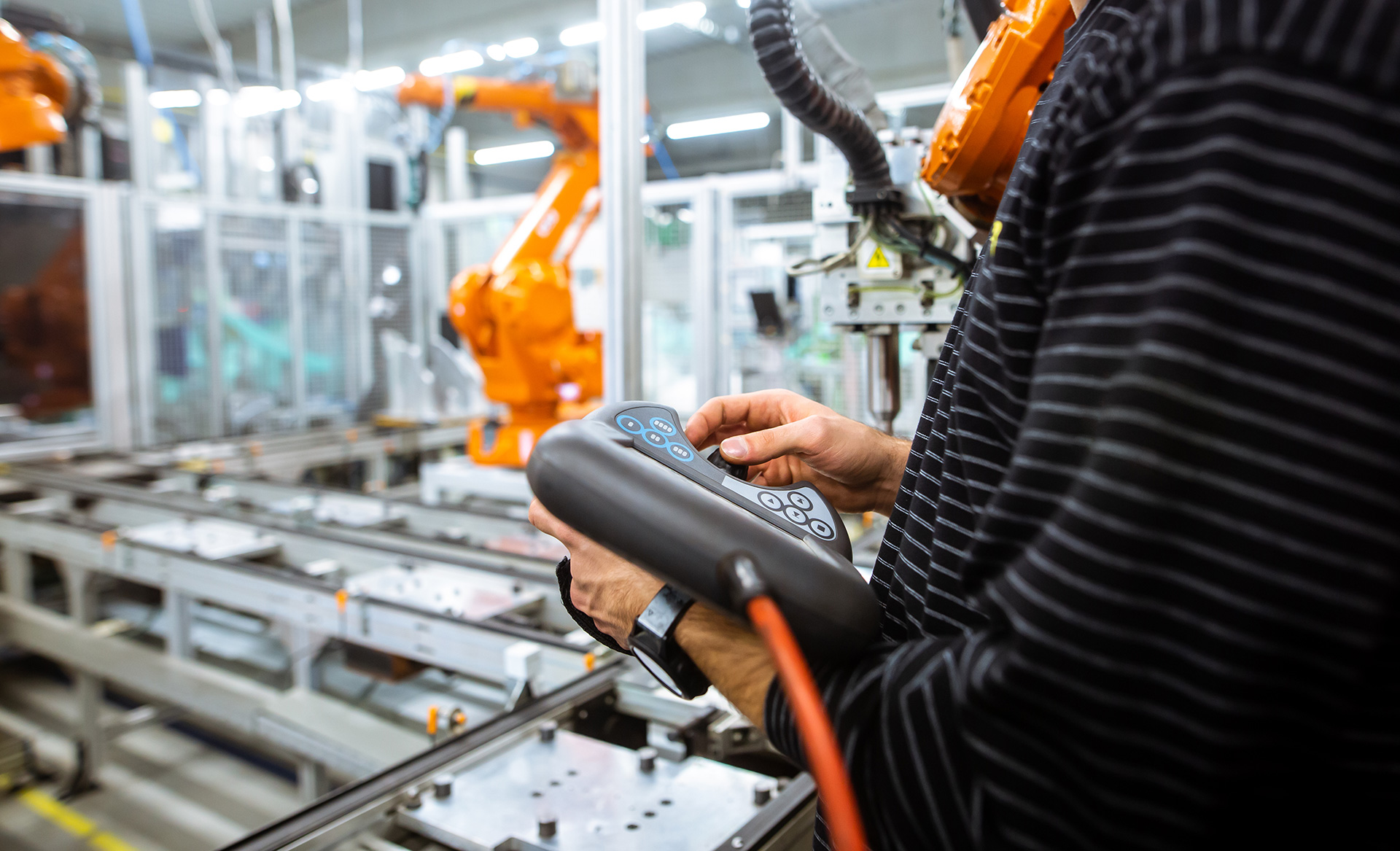
As touched upon in the previous step, automation changes the way people work but doesn’t eliminate the human element. Operators and maintenance technicians must understand how the system functions, how to identify common problems, and how to troubleshoot effectively. Training programs typically last from a few weeks up to several months, depending on system complexity and employees’ previous experience. Well-executed training reduces errors, speeds up recovery from issues, and empowers your team to maintain peak system performance.
Remember: your people remain the most important asset – even in automated production.
7. What production looks like after transition
Once your system is fully operational and everyone is comfortable with new processes, the benefits become clear:
- Production becomes steady and reliable, giving you consistent results every day
- Less scrap and waste thanks to better precision and quality control
- Fewer defects mean happier customers and fewer returns
- Faster cycles and longer run times increase your output
- Night shifts run smoother with less supervision and fewer mistakes
This transformation doesn’t happen overnight; it’s the result of careful planning, testing, and adjustment, step by step.
Conclusion
Automation isn’t a magic wand. But with a smart, well-managed approach and a responsible automation partner, it can fundamentally improve your production. The greatest value lies not just in the robots themselves but in the stability, efficiency, and predictability they bring to your factory. If you’re thinking about starting this journey or want expert guidance tailored to your business, we’re here to help. Together, we’ll make your production smarter, safer, and more profitable.